【Environmental Protection】

Water Resources Management

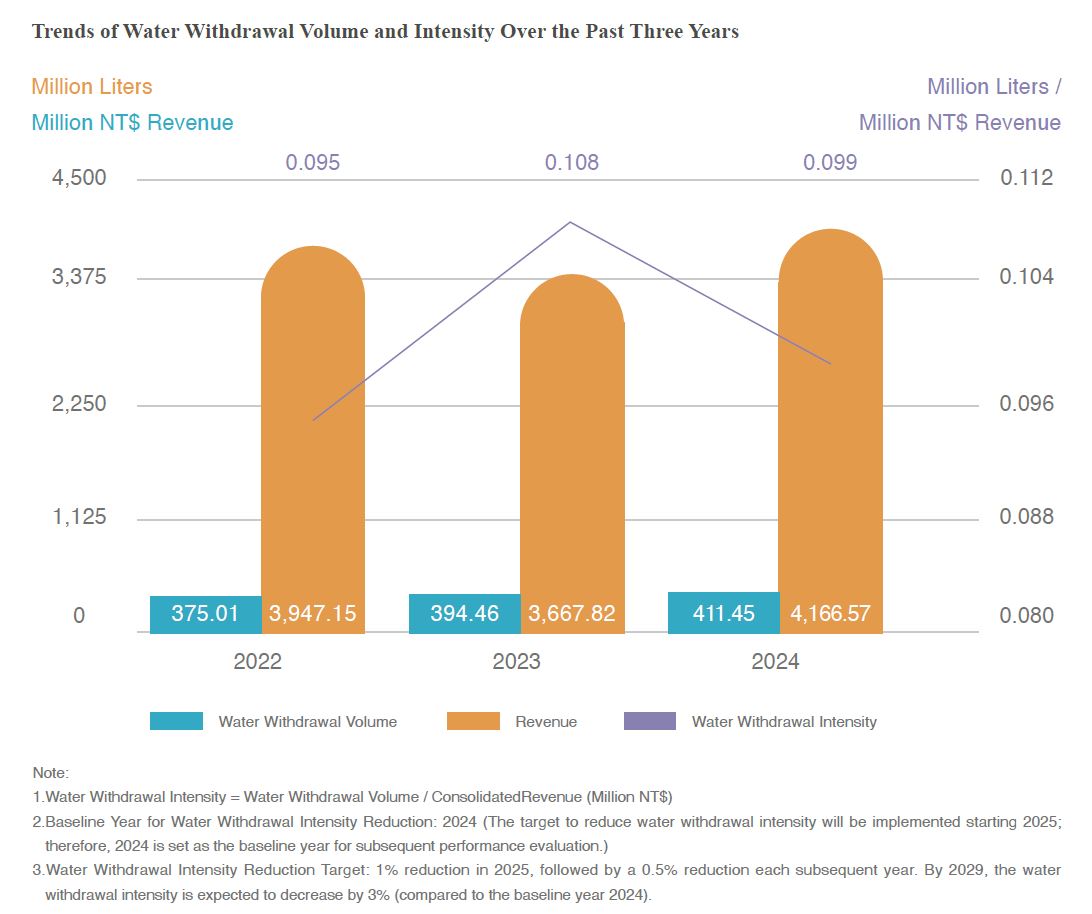
In response to climate change and the increasing scarcity of water resources, Winstek has progressively increased the volume of recycled process and equipment water across all sites to replace freshwater demand. This initiative aims to conserve water resources, protect the environment, and reduce the company’s impact on nature.
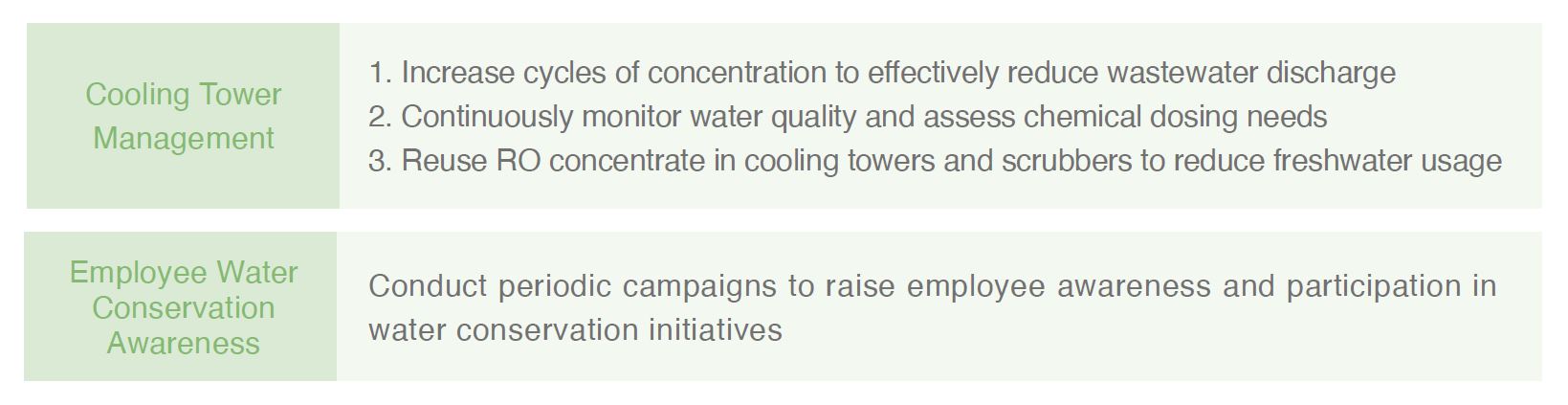
To improve water use efficiency and reduce the potential environmental impact of water consumption, Winstek implements comprehensive water resource management across all sites based on four key water conservation strategies: "Reduce Process Water Usage," "Minimize Wastewater Discharge," "Increase System Recovery Rate," and "Conserve Domestic Water Use." The company continually enhances water recovery from equipment and reduces process water consumption to gradually decrease overall water demand. This approach supports dual objectives of source reduction and water reuse, while actively seeking new opportunities for water conservation. By implementing a strategy of “expanding sources and reducing consumption,” Winstek advances its commitment to environmental sustainability. Water conservation measures include: Image Description
Through the implementation of these measures, Winstek continuously improves processes and equipment annually, leading to stable and optimized water management. Looking ahead, the company will continue enhancing equipment water use and increasing process water recovery rates, aiming to reduce water withdrawal intensity year by year and move toward more efficient resource utilization.
Image Description

Wastewater Management

To ensure that both the volume and quality of discharged water comply with regulatory standards, Winstek implements key control mechanisms, including automated safety controls, real-time monitoring systems, surveillance systems, and personnel audits. Wastewater treatment facilities are regularly maintained, and effluent is analyzed and monitored to enhance wastewater management performance. In addition, strict monitoring and review processes are applied to process chemicals to ensure upstream risks are well controlled. Winstek has established internal control standards that exceed regulatory requirements and continuously monitors and complies with domestic environmental regulations, while staying abreast of policy developments and trends. In accordance with regulations, wastewater is sampled and analyzed quarterly by certified third-party laboratories, and results are reported on schedule. In 2024, there were no cases of effluent exceeding regulatory limits, demonstrating effective pollution risk control and no adverse impact on the surrounding environment.
Image Description

Winstek has established a 24-hour real-time effluent monitoring display that is accessible to the public through an open platform, promoting transparency in environmental information.

Instructions for use
1. Mobile phone login: Please download the "VLC for Mobile" APP and log in to watch. (Image DescriptionVLC icon)
2. Computer login: Please enter user name:user/password:user (You can choose the "Main Stream" high-definition screen) (Applicable to IE browser and Chrome 44 or below)

This real-time monitoring allows both internal and external stakeholders to track effluent water quality conditions simultaneously, fostering a shared responsibility for environmental oversight.

Instructions for use: Due to insufficient mobile phone resolution,
it can only be used via computer connection.


Permissible standards pH value Temperature Suspended Solids (SS) Conductivity
6~9 <35℃ <30ppm No standard yet

Greenhouse Gas Inventory

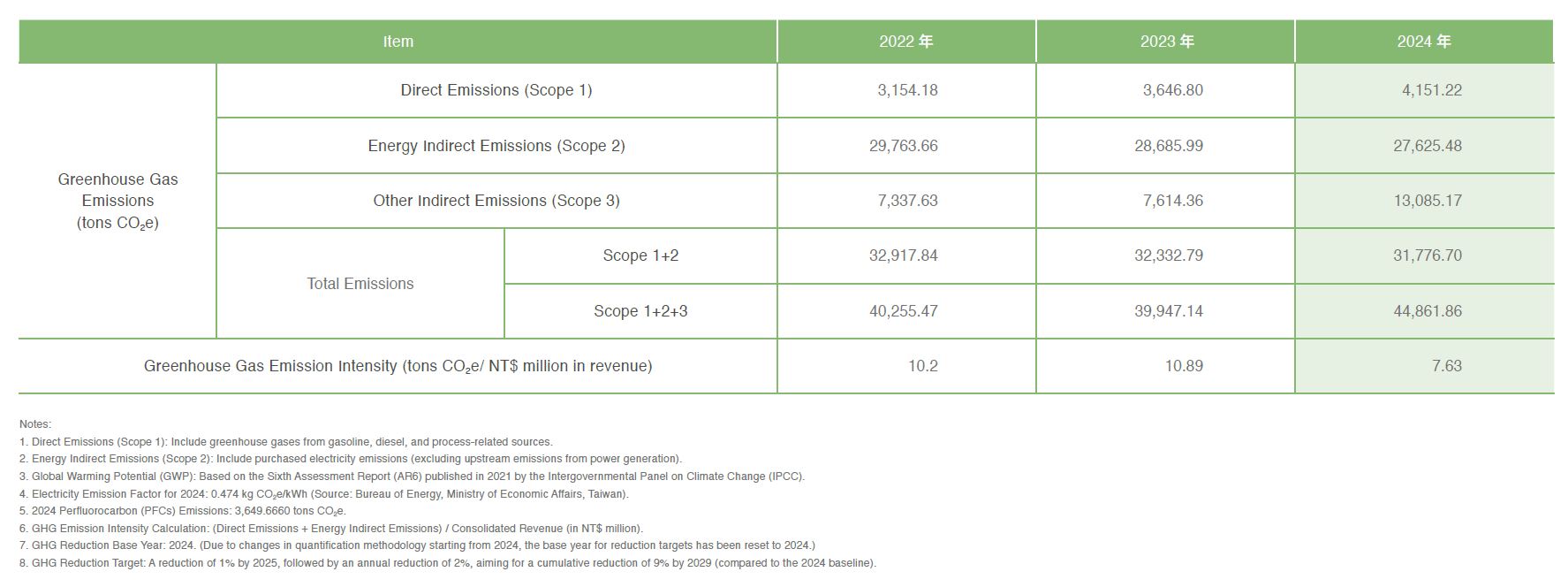
All Winstek sites use GHG inventory and energy-saving measures as the foundation of emissions management to achieve reduction targets and minimize environmental impacts. GHG accounting is conducted in accordance with ISO 14064-1:2018 and verified by an independent third-party to ensure transparency and data integrity. The 2024 GHG inventory results are as follows:
1. Direct Greenhouse Gas Emissions: Includes stationary equipment (such as generators), process emissions, mobile combustion sources for transportation (e.g., company vehicles, forklifts), and fugitive emissions, accounting for approximately 9.25% of total emissions.
2. Indirect Energy Greenhouse Gas Emissions: The main source is purchased electricity, accounting for approximately 61.58% of total emissions.
3. Other Indirect Greenhouse Gas Emissions: Mainly from indirect greenhouse gas emissions between the use of products, accounting for approximately 29.17% of total emissions.
4. Winstek has reported the progress of greenhouse gas inventory and verification to the Board of Directors every quarter on February 26, 2025; May 2, 2025; July 28, 2025; and October 27, 2025.

Image Description

Air Pollution Control

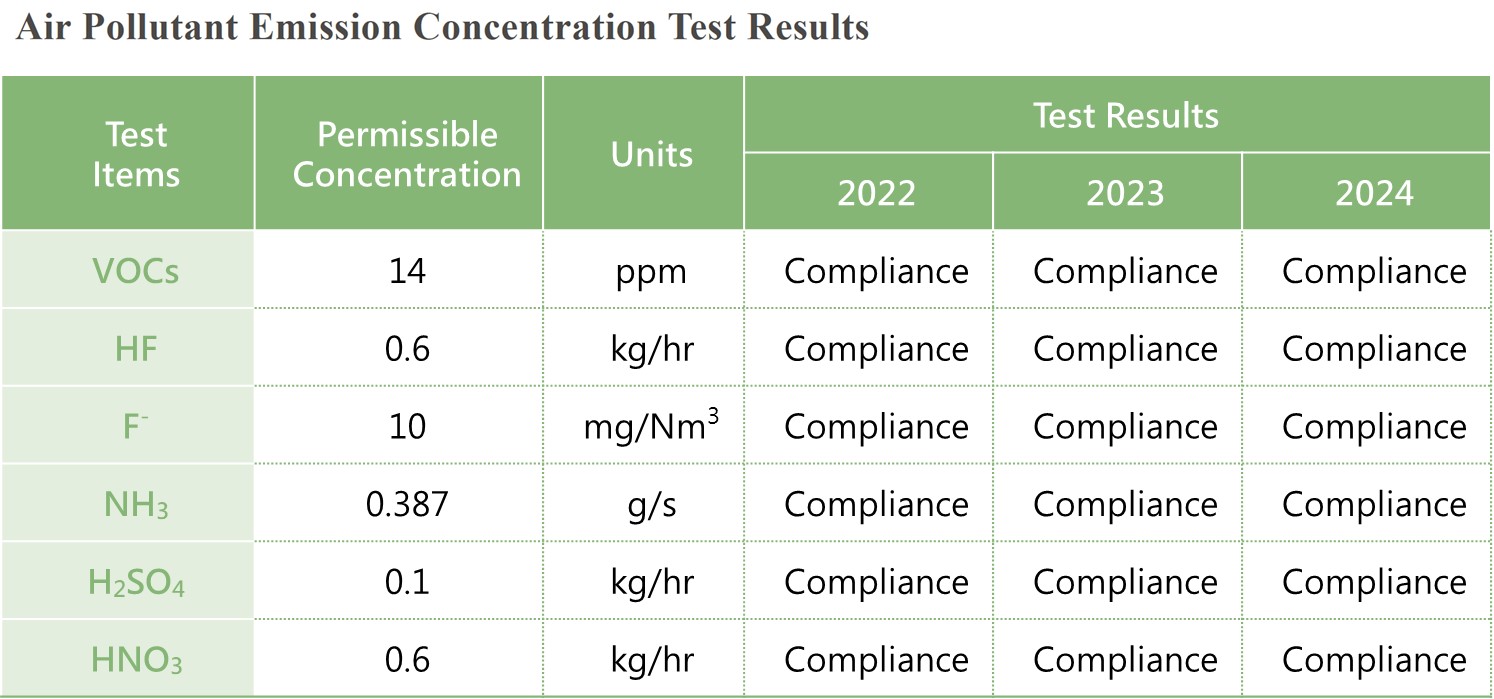
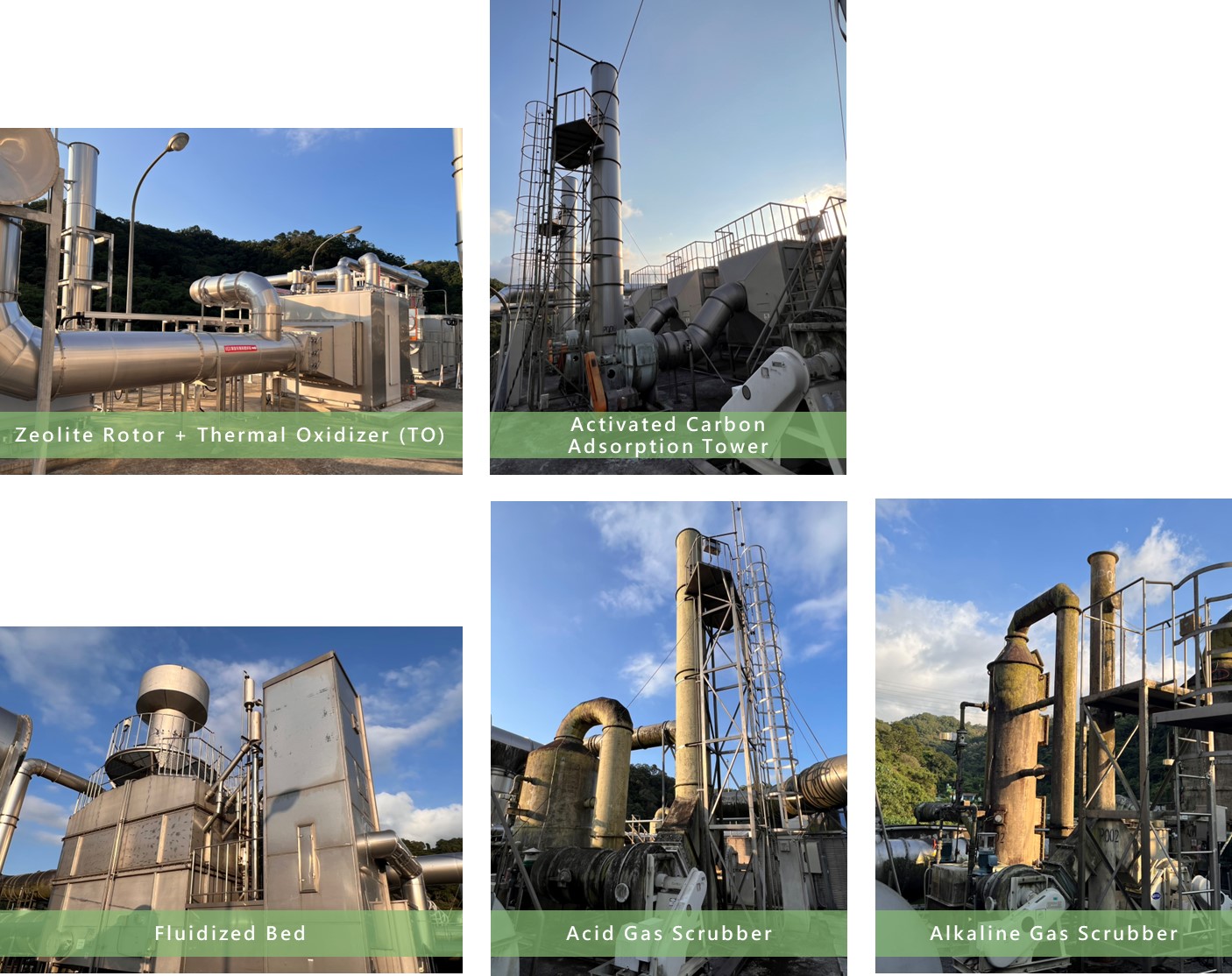
Air pollutants emitted from Winstek's manufacturing processes include acid exhaust gas, alkaline exhaust gas, and volatile organic compounds (VOCs). As there are no combustion or high-temperature destruction processes involved, sulfur oxides (SOx) are not generated. Acid and alkaline exhaust gases are primarily treated using wet scrubber systems, while VOCs are treated through fluidized beds and adsorption towers. To ensure that exhaust emissions comply with regulatory standards, Winstek has established a comprehensive protection and management mechanism, including continuous monitoring systems, personnel inspections and audits, regular equipment maintenance, and strict review and control of process chemicals. The company also continues to allocate budgets for exhaust gas treatment to uphold environmental quality.

Image Description

Image Description

Waste Management

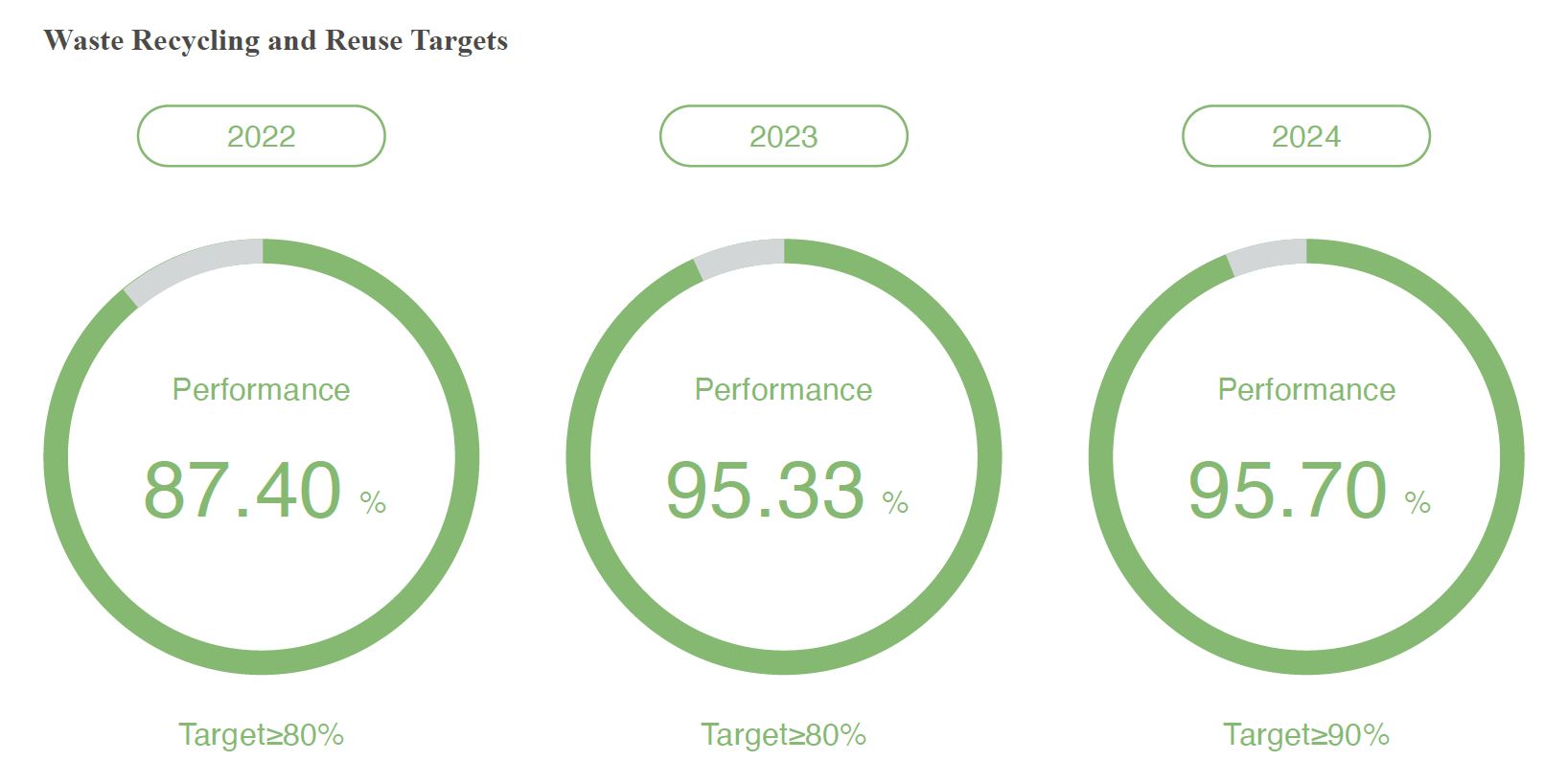
Winstek regulate the classification, collection, storage, and treatment of industrial waste in accordance with environmental thinking throughout the product life cycle. As production capacity continues to grow, these management measures aim to effectively control waste generation, improve environmental hygiene, and prevent a proportional increase in waste output that could lead to potential environmental risks. Starting in 2024, Winstek has set a five-year target to achieve a waste recycling rate of ≥90%. Recyclable waste categories include resource waste (paper, plastic, pallets, iron and aluminum cans), hazardous waste (chemical waste liquid, sludge, empty drums), electronic scrap, fluorescent tubes, and general domestic waste.

Image Description


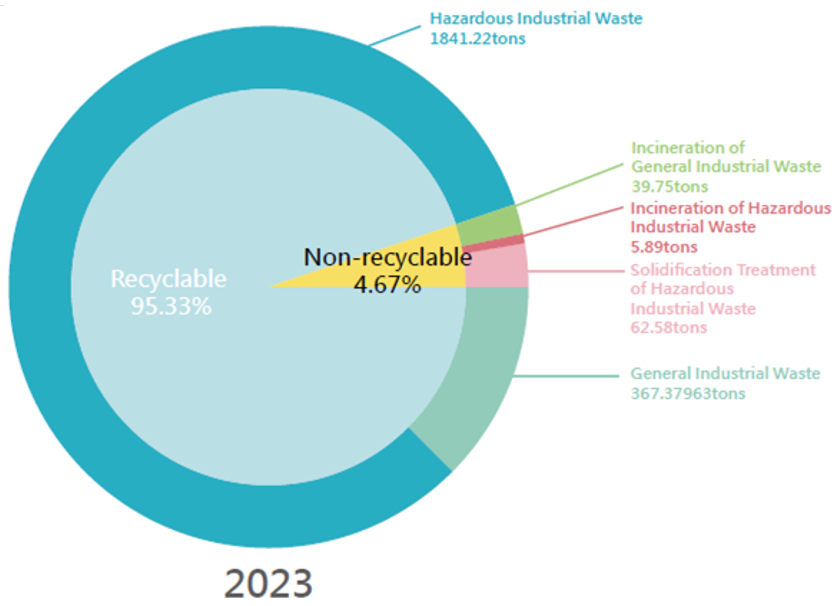
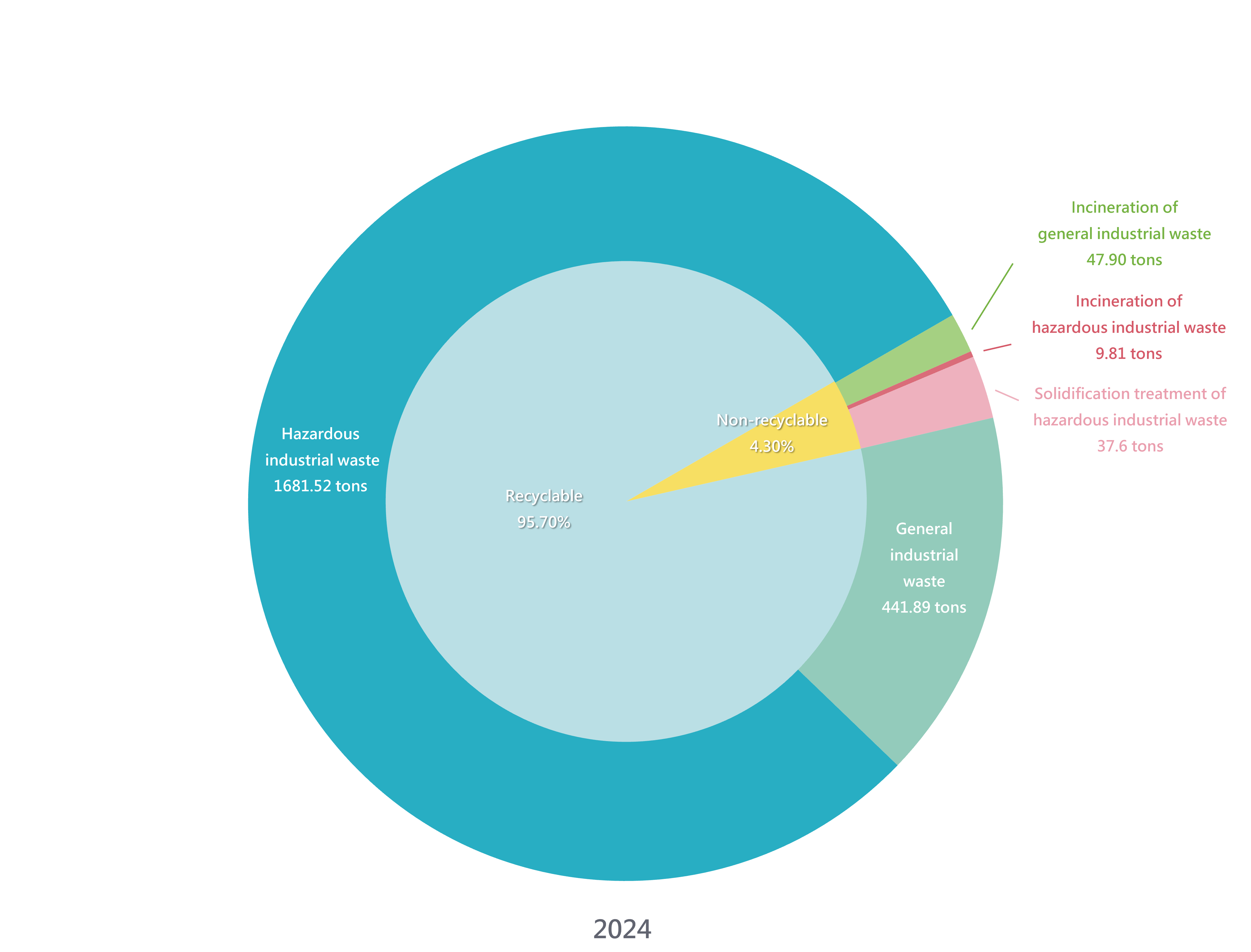
In 2024, Winstek generated a total of 2,218.72 metric tons of waste, all of which was properly removed and treated by qualified contractors, with ongoing regular audits and management in place. To improve the waste recycling rate, we actively collaborated with treatment facilities that do not use incineration or solidification, thereby reducing environmental impact. The total amount of waste has continued to decline over the past four years. In 2024, the overall recycling rate reached 95.70%, representing a 0.37% increase compared to the previous year. Among the waste, 157.95 metric tons were categorized as circular economy waste, accounting for 7.12% of the total waste.

Image Description


Image Description


Image Description

Energy Saving and Carbon Reduction Goals

1. Greenhouse gas emission reduction targets Image Description

2. Renewable energy goals and development strategy
In response to the global decarbonization trend and the government’s 2050 Net-Zero Emissions policy, Winstek actively promotes energy-saving and renewable energy projects with the aim of effectively controlling carbon emissions. Given that Winstek's overall carbon footprint is primarily from purchased electricity, the company adopts a dual-track strategy of “Green Power Procurement” and “Solar Power Installation” to gradually increase the share of renewable energy in its operations. This approach reduces dependence on purchased electricity, enhances energy resilience, and transitions toward a green-oriented power structure while aligning with the government’s energy transformation and net-zero roadmap.
(1) Renewable energy purchase
To support the government's renewable energy development policy, Winstek upholds its corporate social responsibility by actively managing greenhouse gas emissions and participating annually in the renewable energy trading market, advancing toward a low-carbon and sustainable operating model.
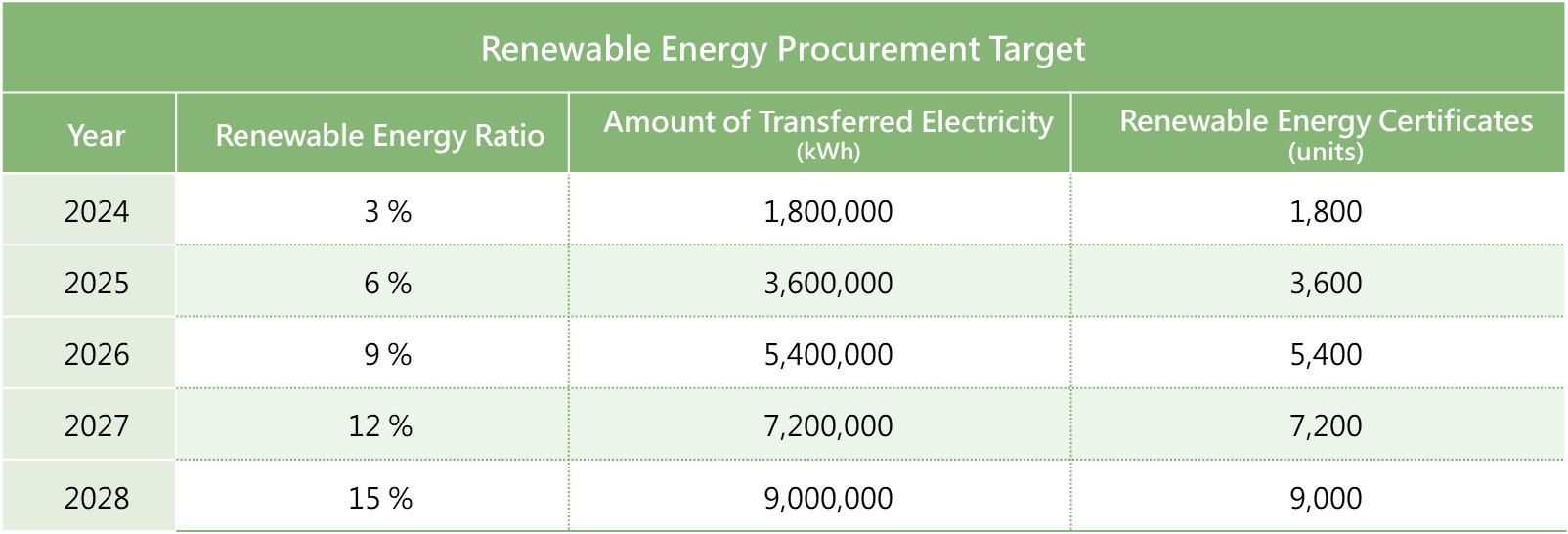
Image Description
(2) Installation of Solar Power Generation Facilities
The company completed the installation of a self-generated solar power facility on the rooftop in Q2 2025, with a capacity of 257 kW and an estimated annual power generation of 280,000 kWh, equivalent to the monthly electricity consumption of approximately 810 households.
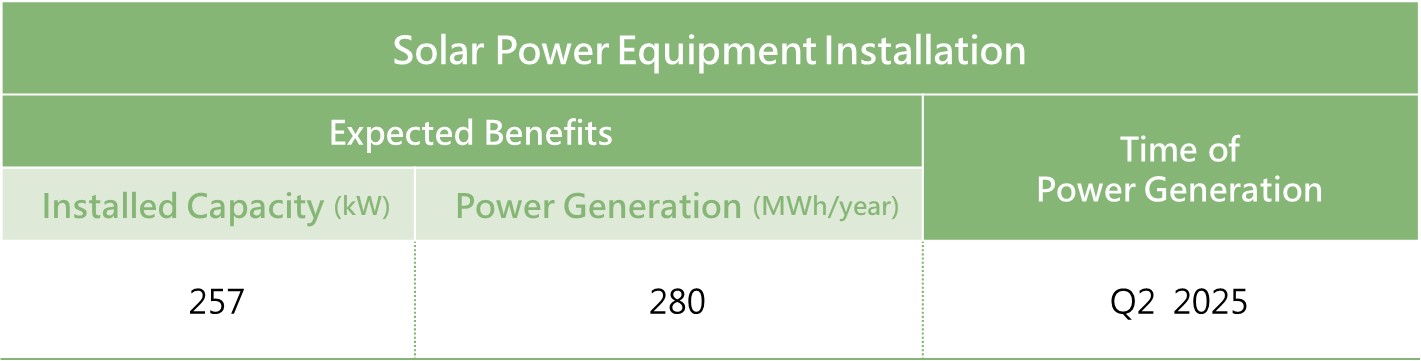
Image Description
Note: The average monthly electricity consumption per household in 2024 is 346 kWh (Source: Taiwan Power Company).

3. Electricity-saving goal, results and sustainability benefits
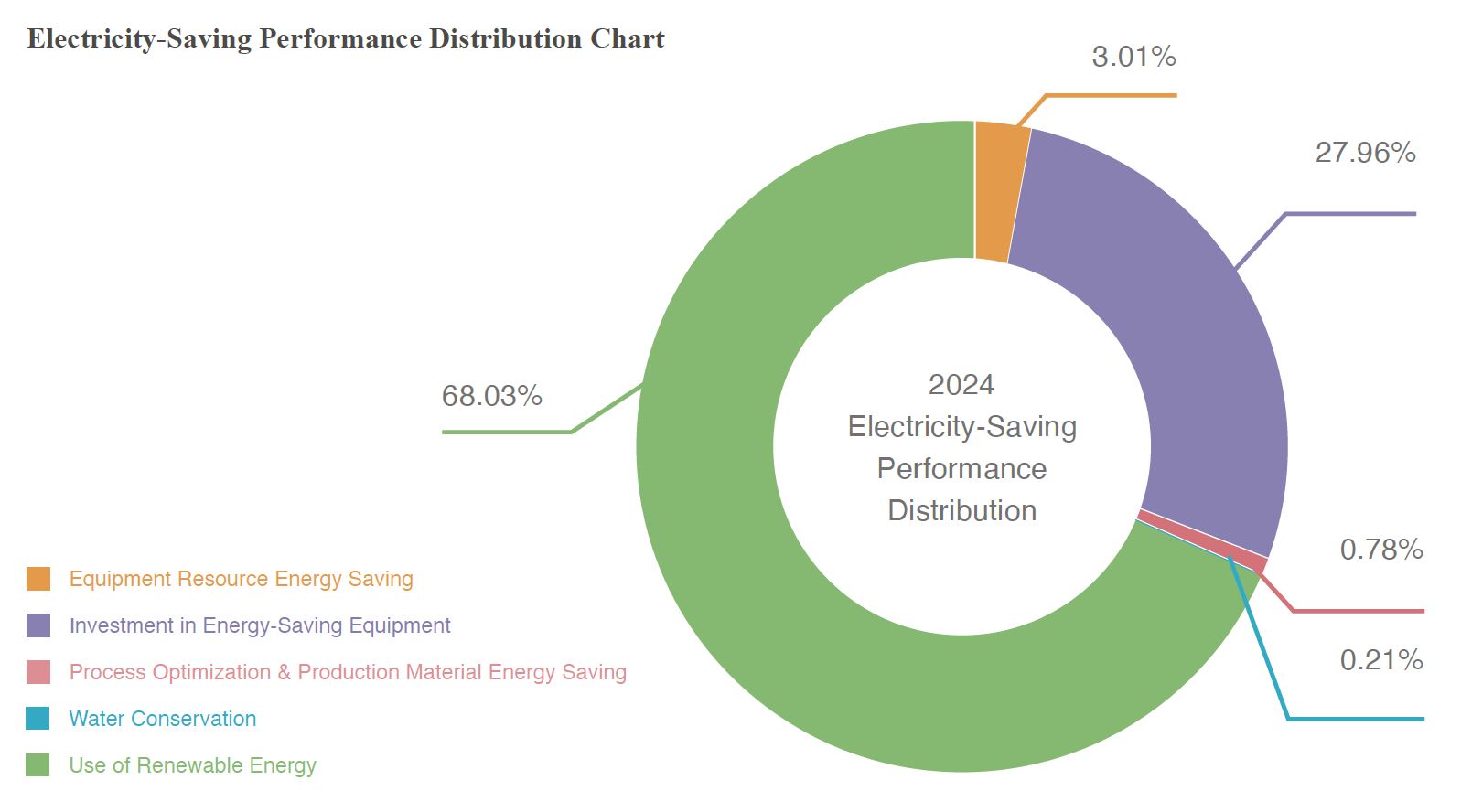
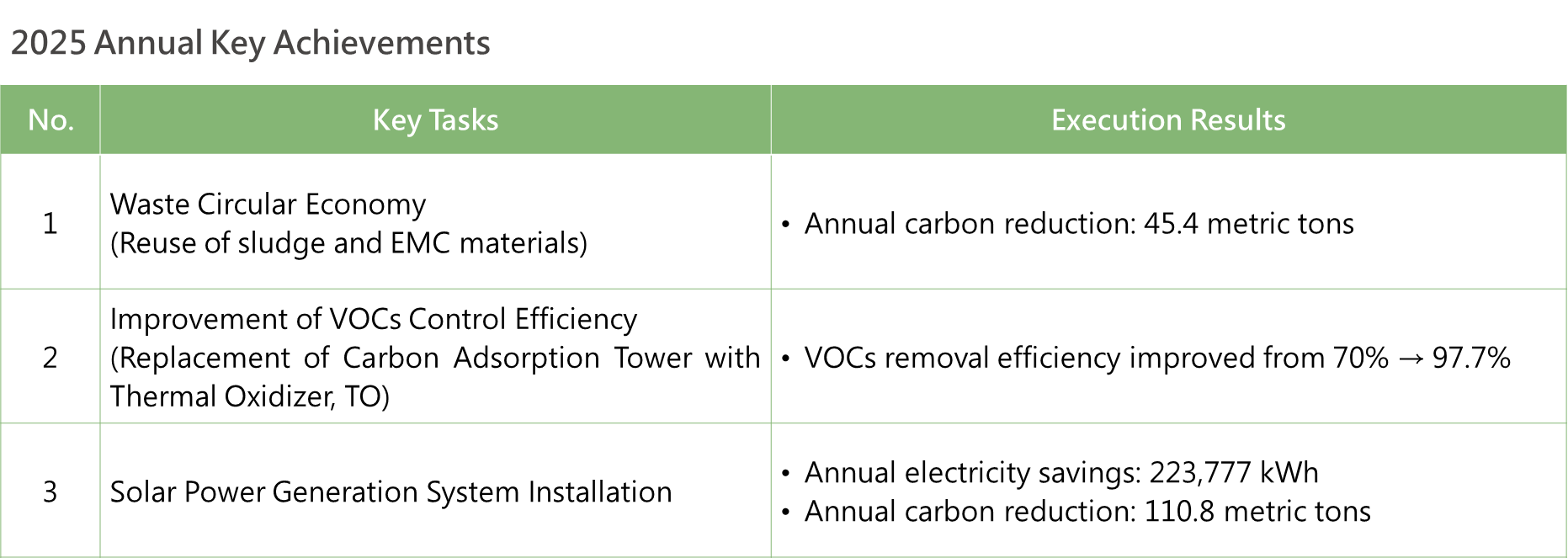
Each year, Winstek plans concrete electricity-saving improvement measures, such as replacing plant lighting with more energy-efficient LED lights, installing motion-sensor lighting, adding frequency converters, and upgrading to energy-saving equipment. These efforts are aimed at gradually reducing greenhouse gas emissions and minimizing environmental impact, while strengthening environmentally friendly practices in the operational process. The electricity-saving target for 2024 was set at an annual saving rate of 1%. A total of 16 electricity-saving measures were implemented during the year, resulting in approximately 2,522,551 kWh of electricity saved and achieving an actual electricity-saving rate of 4.15%. The annual carbon reduction amounted to approximately 1,196 metric tons of CO2e, equivalent to the annual carbon absorption capacity of approximately 3.07 Daan Forest Parks.
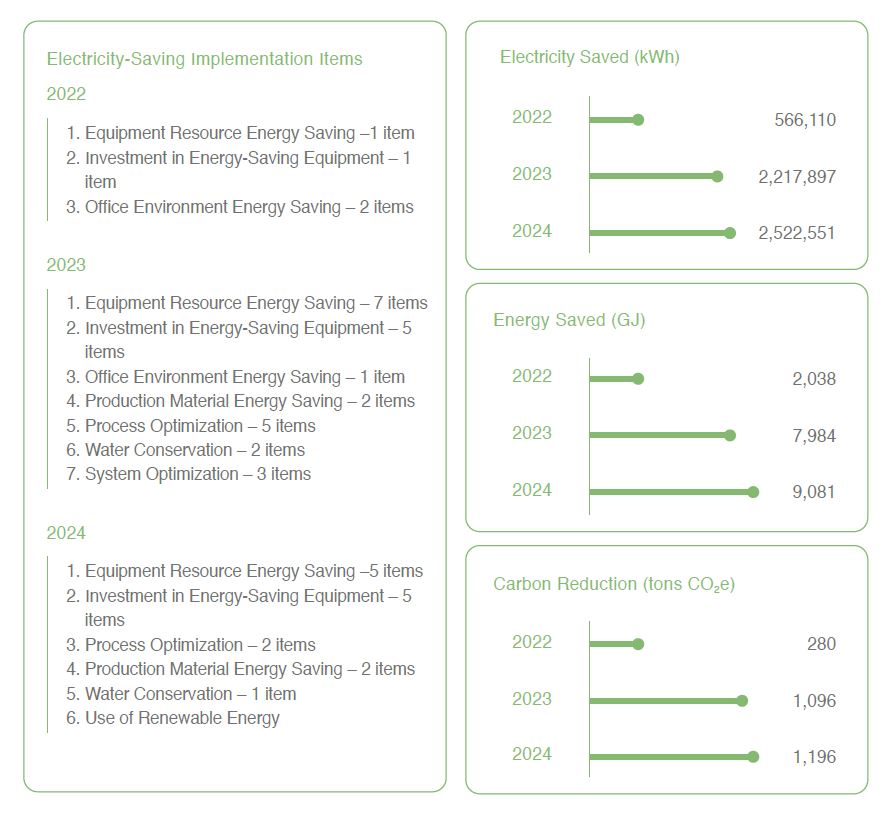
Image Description

Image Description

Note:
1. The annual carbon absorption capacity of one Daan Forest Park is approximately 389 metric tons of CO2 (Source: Bureau of Energy, Ministry of Economic Affairs).
2. The electricity emission factor for 2024 is 0.474 kg CO2e per kWh (Source: Bureau of Energy, Ministry of Economic Affairs).

4. Daily energy conservation management measures
Winstek continuously promotes energy-saving and carbon-reduction awareness among employees and implements various daily energy-saving measures across areas such as lighting, air conditioning, office equipment, and meeting spaces to create an energy-efficient office environment.
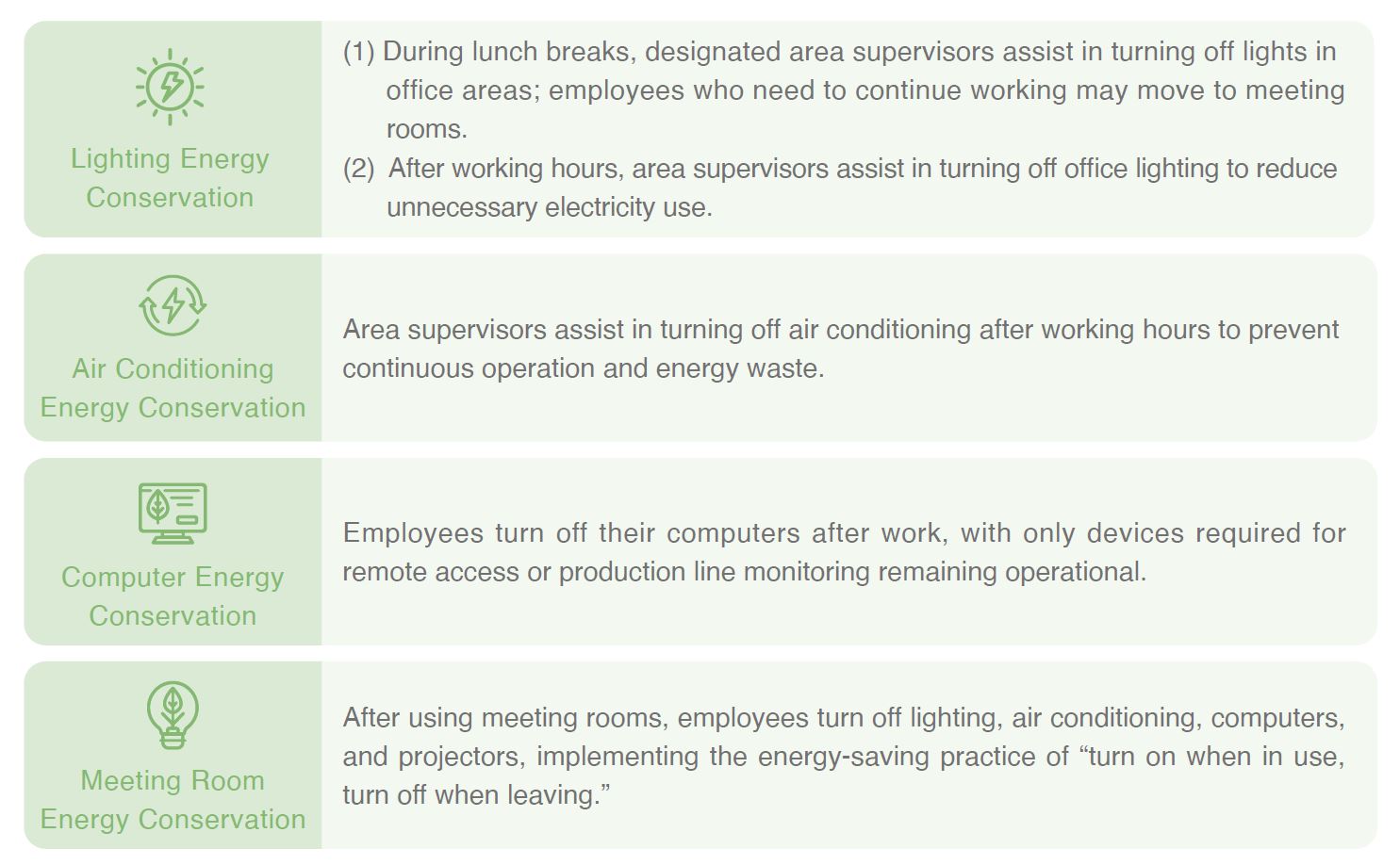
Image Description

5. Resource recycling:
Waste paper, waste plastics, waste pallets, waste liquids, etc. are classified according to their compatibility and attributes, and are entrusted to qualified removal and disposal vendors to recycle and reuse the waste to achieve the goal of resource reduction and reuse.
Climate Change

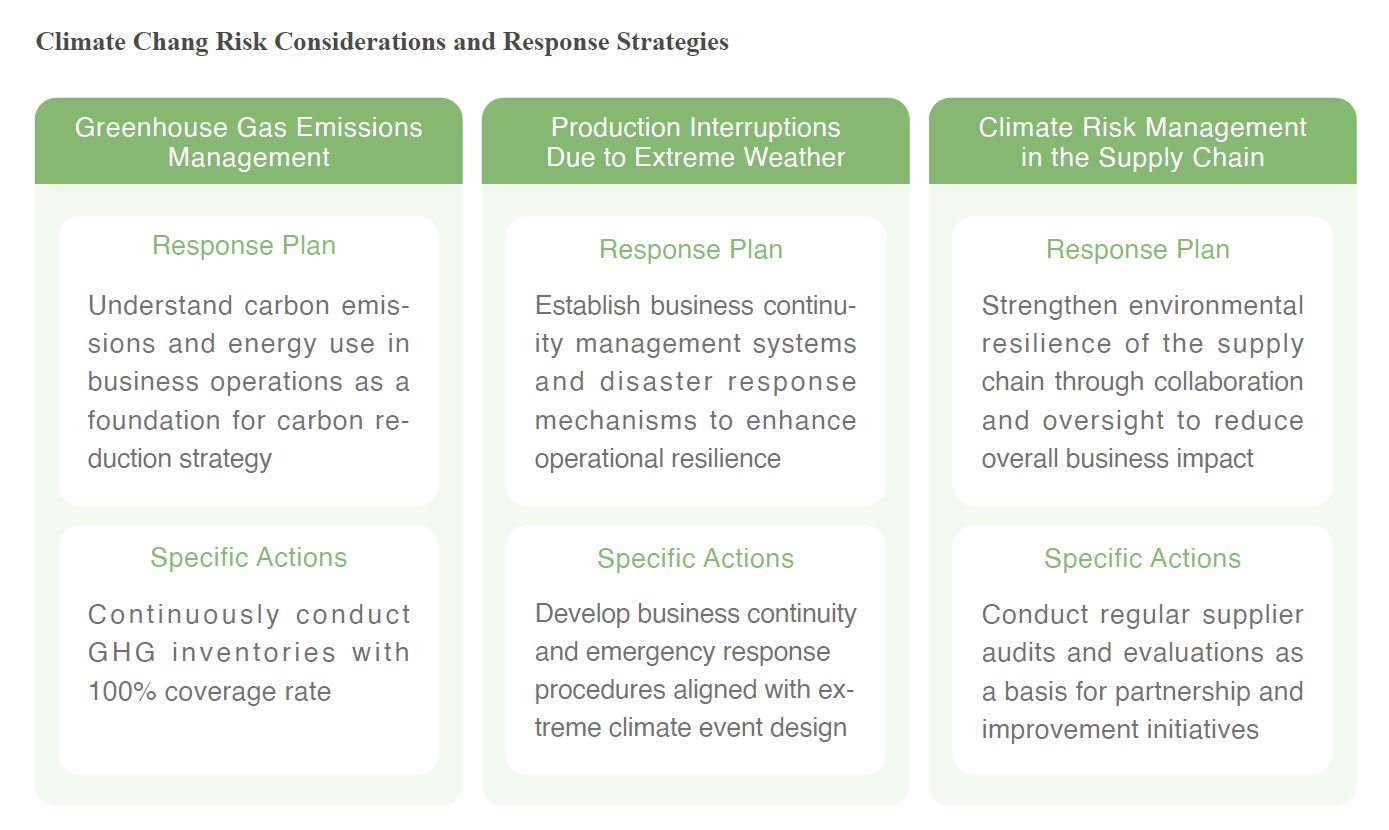
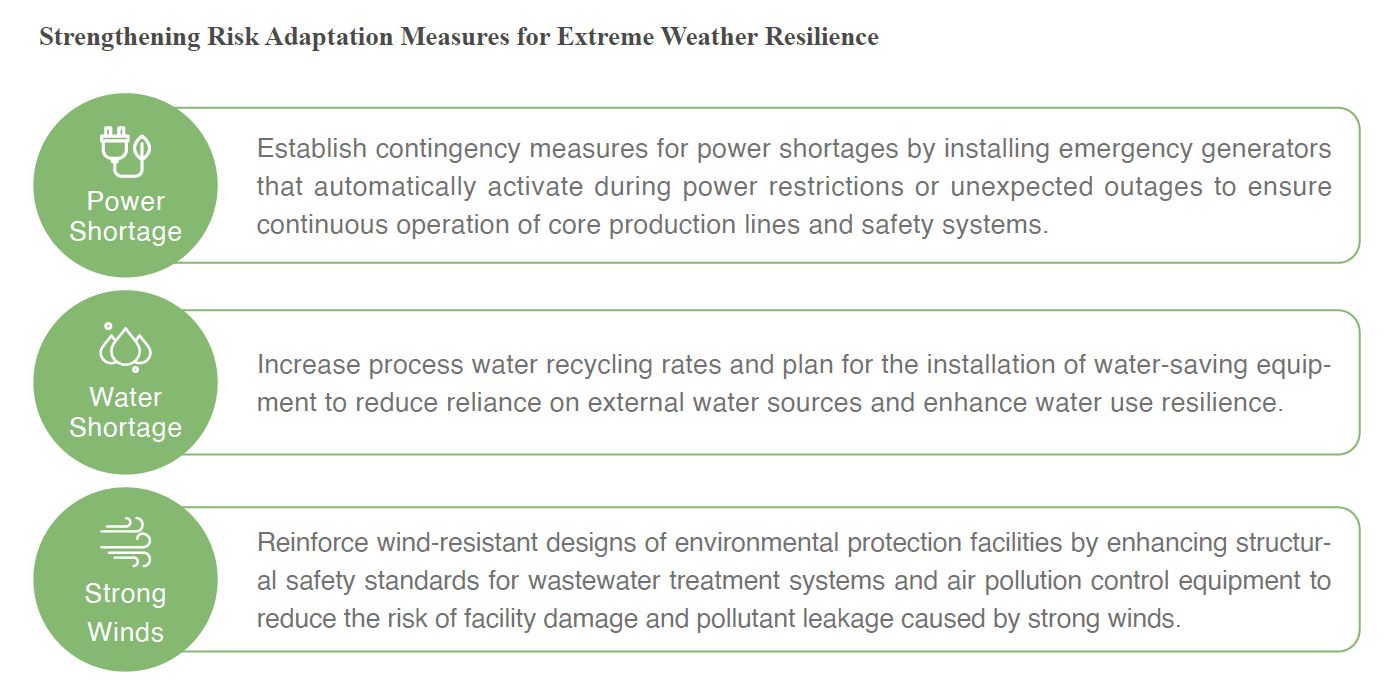
In response to the United Nations’ adoption of the Paris Agreement, climate change has become a critical issue drawing significant attention from governments and corporations worldwide. Winstek has evaluated the potential impacts of climate change on economic activities, social stability, and business operations. The company assesses environmental risks throughout the product life cycle and formulates adaptation strategies to mitigate climate-related impacts and external costs, thereby enhancing operational resilience.

Winstek has progressively strengthened its climate risk management mechanisms and response capabilities through risk identification, system establishment, and facility adaptation. The following outlines the company’s management strategies for climate change risks and the adaptation measures taken in response to extreme weather events.

Image Description

Image Description

Environmental Management System

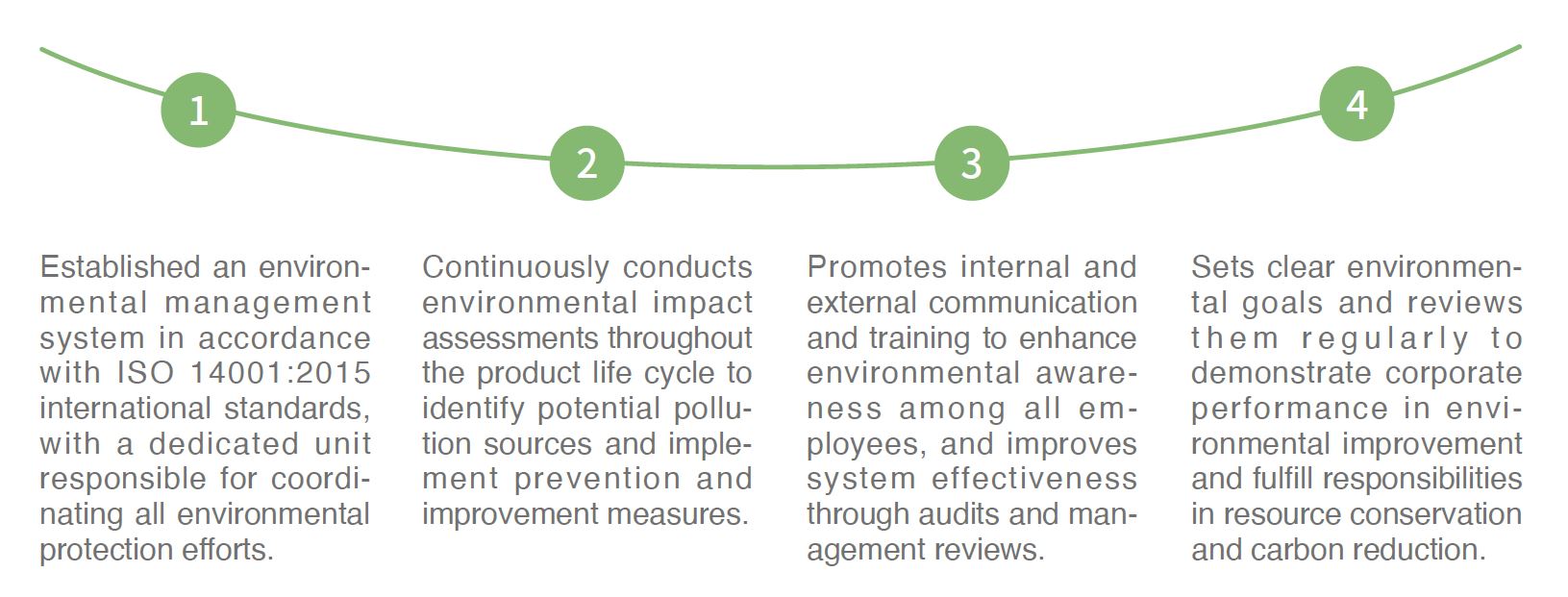
To protect the natural environment and quality of healthy living, Winstek continuously strengthens pollution prevention and risk control measures, and implements the following environmental governance actions:

Image Description Image Description

Environmental Protection Expenditure and Investment

Winstek upholds the concept of environmental sustainability by actively promoting waste reduction, energy saving, and resource recycling measures. The company is committed to reducing the use of virgin resources and strengthening the practice of a green circular economy. With rising environmental awareness and increasingly stringent regulatory standards, Winstek continuously enhances its environmental management efforts to ensure that wastewater treatment, air pollution control, and waste removal operations comply with domestic emission standards and regulatory requirements. The company allocates an annual environmental budget primarily aimed at improving and upgrading sewage treatment, air pollution control, waste management, and related monitoring activities to enhance overall environmental performance. Since its establishment in 2000, Winstek has invested hundreds of millions of New Taiwan Dollars in pollution prevention equipment and the replacement of outdated facilities, as well as the introduction of energy-efficient equipment, demonstrating its long-term commitment to pollution prevention and energy saving with carbon reduction, reflecting the company’s strong emphasis on and ongoing investment in environmental management.

Image Description