
水資源管理Water Resources Management
為因應氣候變遷與水資源日趨匱乏之狀況,台星科所有廠區逐年增加製程用水及設備用水之回收水量來取代用水需求,以達節約用水及保護水資源之目的,減少對自然環境之衝擊。In response to climate change and increasing water scarcity, all WINSTEK facilities have progressively increased the recycled water volume for process and equipment water to replace fresh water demand, achieving water conservation and protection while reducing environmental impact.
為提升水資源使用效率並降低用水對環境的潛在衝擊,台星科所有廠區依循四大節水方針——「製程減量用水」、「降低廢水排量」、「提昇系統回收率」、「節約生活用水」,積極推動水資源管理。持續提升設備的回收水量及降低製程用水量,逐步減少工廠用水需求,實現源頭減量與循環再利用的雙重目標,並持續尋求節水新契機,落實「開源節流」策略,推動環境永續,節水執行措施如下:To improve water use efficiency and reduce the potential environmental impact of water consumption, all WINSTEK facilities actively pursue water resources management under four key principles — "reducing process water use," "lowering wastewater discharge," "improving system recovery rate," and "conserving domestic water use." We continue to increase equipment water recovery and reduce process water consumption, progressively lowering factory water demand to achieve both source reduction and recycling. We continue to pursue new water-saving opportunities, implementing an "open source, reduce waste" strategy to advance environmental sustainability. Our water-saving measures are as follows:
- 提高水質濃縮倍數,有效降低廢水排放量Increase water concentration ratio to effectively reduce wastewater discharge
- 持續水質監控與藥劑投加評估Continuous water quality monitoring and chemical dosing evaluation
- 回收空調系統的冷凝排水、產線的低污染沖洗液,再利用於冷卻水塔及洗滌塔,減少源頭使用量Recover condensate from HVAC systems and low-contamination rinse water from production lines for reuse in cooling towers and scrubbers, reducing source consumption
不定期宣導,提昇員工對節水議題的認知與參與Periodic campaigns to raise employee awareness and participation in water conservation
在節水措施的推動下,每年持續改善製程及設備,整體用水管理穩定優化。未來將持續改善設備用水與提升製程用水回收率,以達逐年降低取水密集度之目標,朝向更高效的資源使用邁進。Through these water-saving measures, we continue to improve processes and equipment annually, steadily optimizing overall water management. Going forward, we will continue improving equipment water use and process water recovery rates to achieve year-over-year reductions in water withdrawal intensity, moving toward more efficient resource use.
| 年度Year | 取水量(百萬公升)Water Withdrawal (Million Liters) | 營收(百萬元)Revenue (NT$ Million) | 取水密集度Withdrawal Intensity |
|---|---|---|---|
| 2023年2023 | 394.46 | 3,667.82 | 0.108 |
| 2024年2024 | 411.45 | 4,166.57 | 0.099 |
| 2025年2025 | 426.65 | 4,647.78 | 0.092 |
- 取水密集度=取水量/合併營收(百萬元)Water Withdrawal Intensity = Water Withdrawal / Consolidated Revenue (NT$ million)
- 取水密集度減量基準年:2024年(自2025年起推動降低取水密集度之目標,故將2024年訂定為減量基準年,作為後續績效評估之依據)Water Withdrawal Intensity Reduction Baseline Year: 2024 (as the company began pursuing its water withdrawal intensity reduction target in 2025, 2024 was set as the baseline year for subsequent performance evaluation)
- 取水密集度下降目標:設定2025年下降1%,逐年下降0.5%,至2029年預計下降3%(與減量基準年相比)Water Withdrawal Intensity Reduction Target: 1% reduction in 2025, 0.5% annual reduction thereafter, targeting a cumulative 3% reduction by 2029 (compared to baseline year)
廢水管理Wastewater Management
為了確保放流水量及水質均符合法規標準,主要控管機制包括自動控制保護措施、即時監控系統、監視系統及人員稽核,並定期維護廢水處理設備、分析和監控放流水,以強化廢水管理效能,亦針對製程化學品進行嚴格監控及審核,確保源頭風險可控。To ensure both effluent volume and quality meet regulatory standards, key control mechanisms include automatic control safeguards, real-time monitoring systems, surveillance systems, and personnel audits. We regularly maintain wastewater treatment equipment and analyze and monitor effluent to strengthen wastewater management, while strictly monitoring and reviewing process chemicals to keep source risks under control.
台星科訂定優於法規的廠內控管標準,並持續關注及落實國內環保法規之要求,掌握環境政策及趨勢。廢水依法規定每季委託合格檢測機構執行採樣與分析,並定期完成申報,2025 年放流水均符合法規排放標準,顯示台星科有效控管污染風險,未對周邊環境造成衝擊。WINSTEK has established internal control standards that exceed regulatory requirements, and continuously monitors and implements domestic environmental regulations to stay abreast of environmental policies and trends. Wastewater sampling and analysis is conducted quarterly by certified testing agencies as required by law, with regular regulatory filings. In 2025, all effluent met regulatory discharge standards, demonstrating effective pollution risk control with no impact on the surrounding environment.
| 檢測項目Test Item | 環境部放流水標準MOENV Effluent Standard | 單位Unit | 2023年2023 | 2024年2024 | 2025年2025 |
|---|---|---|---|---|---|
| pH 值pH Value | 6~9 | - | 符合Compliant | 符合Compliant | 符合Compliant |
| 水溫Water Temperature | ≦35 | ℃ | 符合Compliant | 符合Compliant | 符合Compliant |
| 懸浮固體(SS)Suspended Solids (SS) | 30 | mg/L | 符合Compliant | 符合Compliant | 符合Compliant |
| 化學需氧量(COD)Chemical Oxygen Demand (COD) | 100 | mg/L | 符合Compliant | 符合Compliant | 符合Compliant |
| 氟鹽Fluoride (F⁻) | 15 | mg/L | 符合Compliant | 符合Compliant | 符合Compliant |
溫室氣體盤查GHG Inventory
台星科所有廠區透過溫室氣體盤查及採取節能措施做為管理方向,以達成溫室氣體減量目標,降低營運對環境造成之衝擊。公司依據ISO 14064-1:2018標準進行溫室氣體盤查,並通過第三方驗證機構查證,確保數據透明與可信。All WINSTEK facilities pursue greenhouse gas (GHG) inventories and energy-saving measures as core management directions to achieve GHG reduction targets and minimize operational environmental impact. The company conducts GHG inventories in accordance with ISO 14064-1:2018 and undergoes third-party verification to ensure data transparency and credibility.
2025年度溫室氣體盤查結果如下:The 2025 GHG inventory results are as follows:
- 直接溫室氣體排放(範疇1):包含固定式設備(如發電機)、製程排放、交通運輸之移動燃燒源(公務車、堆高機)、逸散排放,約占總排放量5.87%。Direct GHG emissions (Scope 1): including stationary sources (e.g., generators), process emissions, mobile combustion sources (company vehicles, forklifts), and fugitive emissions — approximately 5.87% of total emissions.
- 能源間接溫室氣體排放(範疇2):主要排放源為外購電力,約占總排放量38.66%。Energy indirect GHG emissions (Scope 2): primarily from purchased electricity — approximately 38.66% of total emissions.
- 其他間接溫室氣體排放(範疇3):包括購買的商品和服務、資本材、燃料和能源相關的活動、營運活動中產生的廢棄物,約佔總排放量55.47%。Other indirect GHG emissions (Scope 3): including purchased goods and services, capital goods, fuel- and energy-related activities, and waste generated in operations — approximately 55.47% of total emissions.
- 台星科已於2025.02.26、2025.05.02、2025.07.28及2025.10.27每季向董事會報告溫室氣體盤查查證進度。WINSTEK reported GHG inventory and verification progress to the Board of Directors quarterly on 2025/02/26, 2025/05/02, 2025/07/28, and 2025/10/27.
| 項目Item | 2023年2023 | 2024年2024 | 2025年2025 | |
|---|---|---|---|---|
| 溫室氣體排放量GHG Emissions (公噸metric tons CO₂e) | 直接排放(範疇 1)Direct Emissions (Scope 1) | 3,646.80 | 4,151.22 | 4,309.25 |
| 能源間接排放(範疇 2)Energy Indirect Emissions (Scope 2) | 28,685.99 | 27,625.48 | 28,395.06 | |
| 其他間接排放(範疇 3)Other Indirect Emissions (Scope 3) | 7,614.36 | 13,085.17 | 40,739.90 | |
| 總排放(範疇1+2)Total Emissions (Scope 1+2) | 32,332.79 | 31,776.70 | 32,704.30 | |
| 總排放(範疇1+2+3)Total Emissions (Scope 1+2+3) | 39,947.14 | 44,861.86 | 73,444.20 | |
| 溫室氣體排放強度(公噸CO₂e/百萬元營收)GHG Emission Intensity (metric tons CO₂e / NT$ million revenue) | 10.89 | 7.63 | 7.04 | |
註:Notes:
- 全球暖化潛勢(GWP):引用聯合國政府間氣候變遷專門委員會(IPCC)2021年第六次公告(IPCC AR6)Global Warming Potential (GWP): based on the IPCC Sixth Assessment Report (AR6), 2021
- 2025年電力排碳係數:0.466 kg CO₂e/度(資料來源:經濟部能源署)2025 electricity emission factor: 0.466 kg CO₂e/kWh (Source: Energy Administration, MOEA)
- 2025年全氟氣體排放量:3,635.87公噸CO₂e2025 perfluorinated gas emissions: 3,635.87 metric tons CO₂e
- 溫室氣體排放強度=(範疇1+範疇2)/合併營收(百萬元)GHG Emission Intensity = (Scope 1 + Scope 2) / Consolidated Revenue (NT$ million)
空氣污染防制Air Pollution Control
台星科所有廠區產生的空氣污染物質主要為積體電路製造程序產生的廢酸氣、廢鹼氣及揮發性有機化合物(VOCs)、氮氧化物(NOx)、硫氧化物(SOx)、粒狀污染物(Par.)。廢酸氣、廢鹼氣主要透過洗滌塔設備處理;揮發性有機化合物(VOCs)藉由流體化床、沸石轉輪及直燃式焚化爐、吸附塔(備用)設備進行處理;氮氧化物(NOx)、硫氧化物(SOx)、粒狀污染物(Par.)藉由沸石轉輪及直燃式焚化設備進行處理。為追蹤及控管廠內空氣污染物排放情形,除了裝設相關防制設備之外,建置防護與管理機制,包括連續監控系統、人員巡檢與稽核、設備定期保養、嚴格審核與控管製程化學品,每年委託第三方機構針對廠區內排放口進行氣體檢測,並持續編列廢氣處理相關預算,以維護環境之品質,確保產生之空氣污染物皆符合或優於政府法規規定。Air pollutants generated at WINSTEK facilities primarily consist of waste acid gas, waste alkaline gas, and volatile organic compounds (VOCs), nitrogen oxides (NOx), sulfur oxides (SOx), and particulate matter (Par.) from IC manufacturing processes. Waste acid and alkaline gases are treated primarily via scrubber systems; VOCs are treated using fluidized bed, zeolite rotor, thermal oxidizer (TO), and adsorption tower (backup) equipment; NOx, SOx, and particulate matter are treated via zeolite rotor and thermal oxidizer equipment. To track and control on-site air pollutant emissions, in addition to installing relevant control equipment, we have established protection and management mechanisms including continuous monitoring systems, personnel inspections and audits, regular equipment maintenance, and strict review and control of process chemicals. We commission third-party agencies annually to test emissions at facility outlets, and continuously budget for exhaust gas treatment to maintain environmental quality, ensuring all air pollutants meet or exceed government regulatory requirements.
| 檢測項目Test Item | 容許濃度Permitted Concentration | 單位Unit | 2023年2023 | 2024年2024 | 2025年2025 |
|---|---|---|---|---|---|
| VOCs | 14 | ppm | 符合Compliant | 符合Compliant | 符合Compliant |
| HF | 0.6 | kg/hr | 符合Compliant | 符合Compliant | 符合Compliant |
| F⁻ | 10 | mg/Nm³ | 符合Compliant | 符合Compliant | 符合Compliant |
| NH₃ | 0.387 | g/s | 符合Compliant | 符合Compliant | 符合Compliant |
| H₂SO₄ | 0.1 | kg/hr | 符合Compliant | 符合Compliant | 符合Compliant |
| HNO₃ | 0.6 | kg/hr | 符合Compliant | 符合Compliant | 符合Compliant |

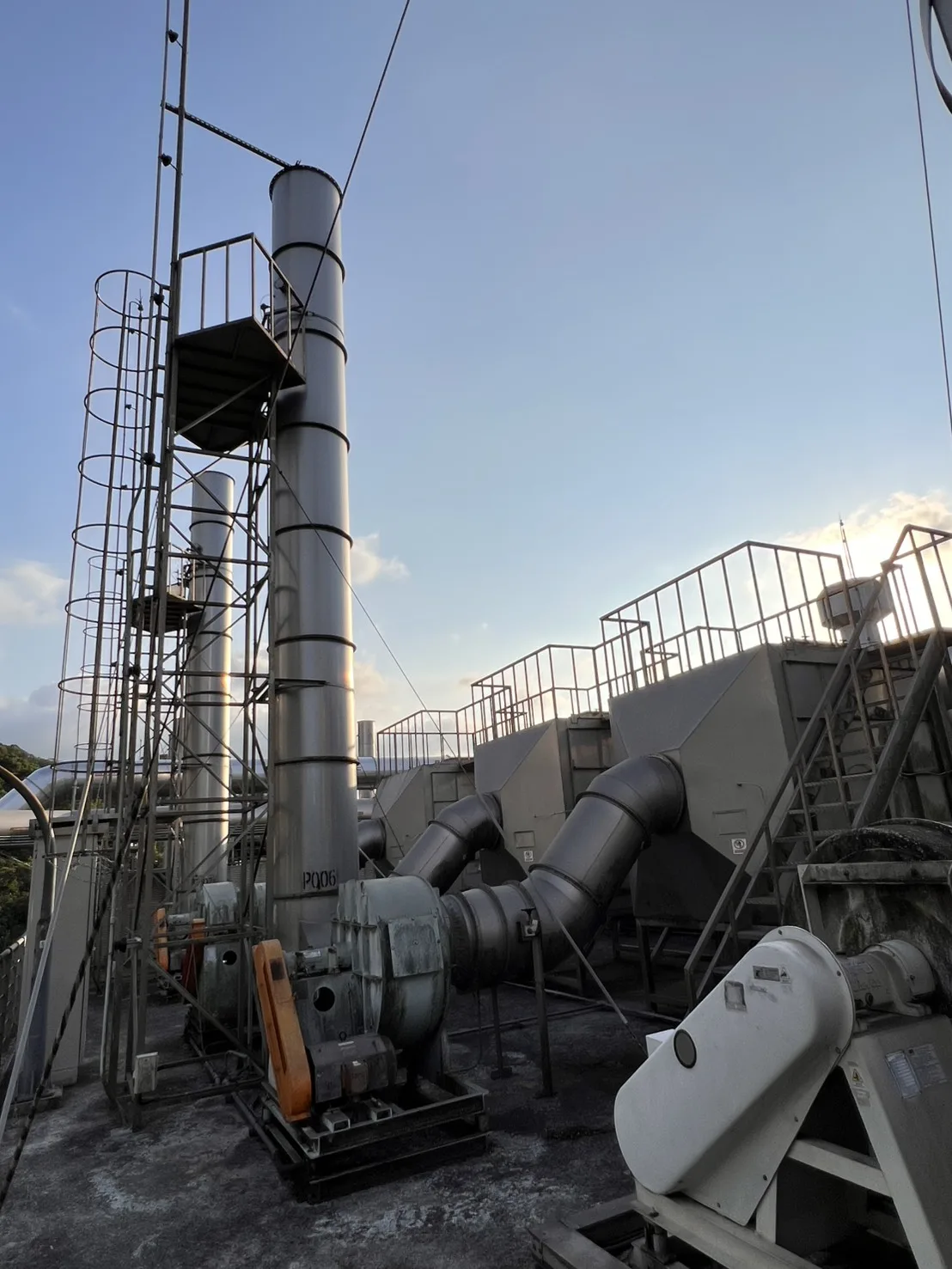
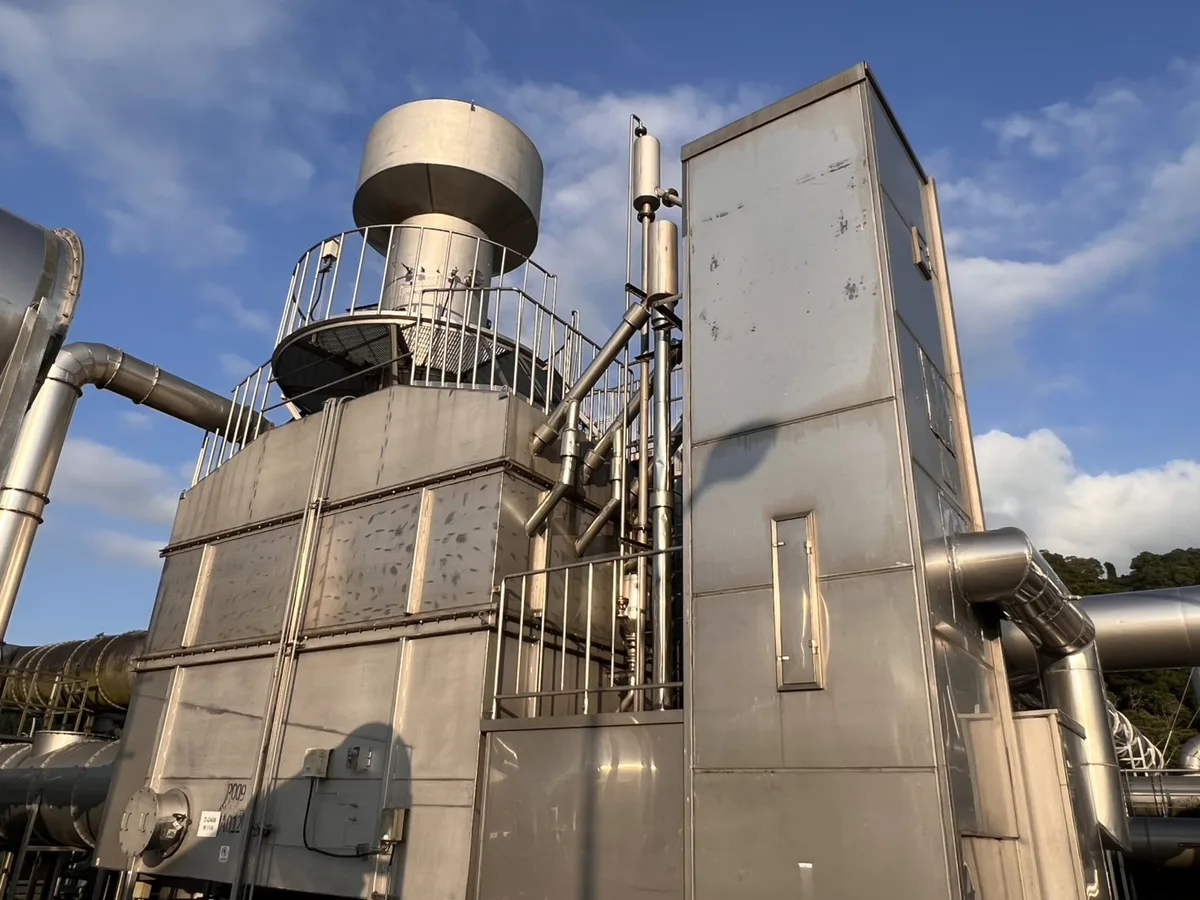
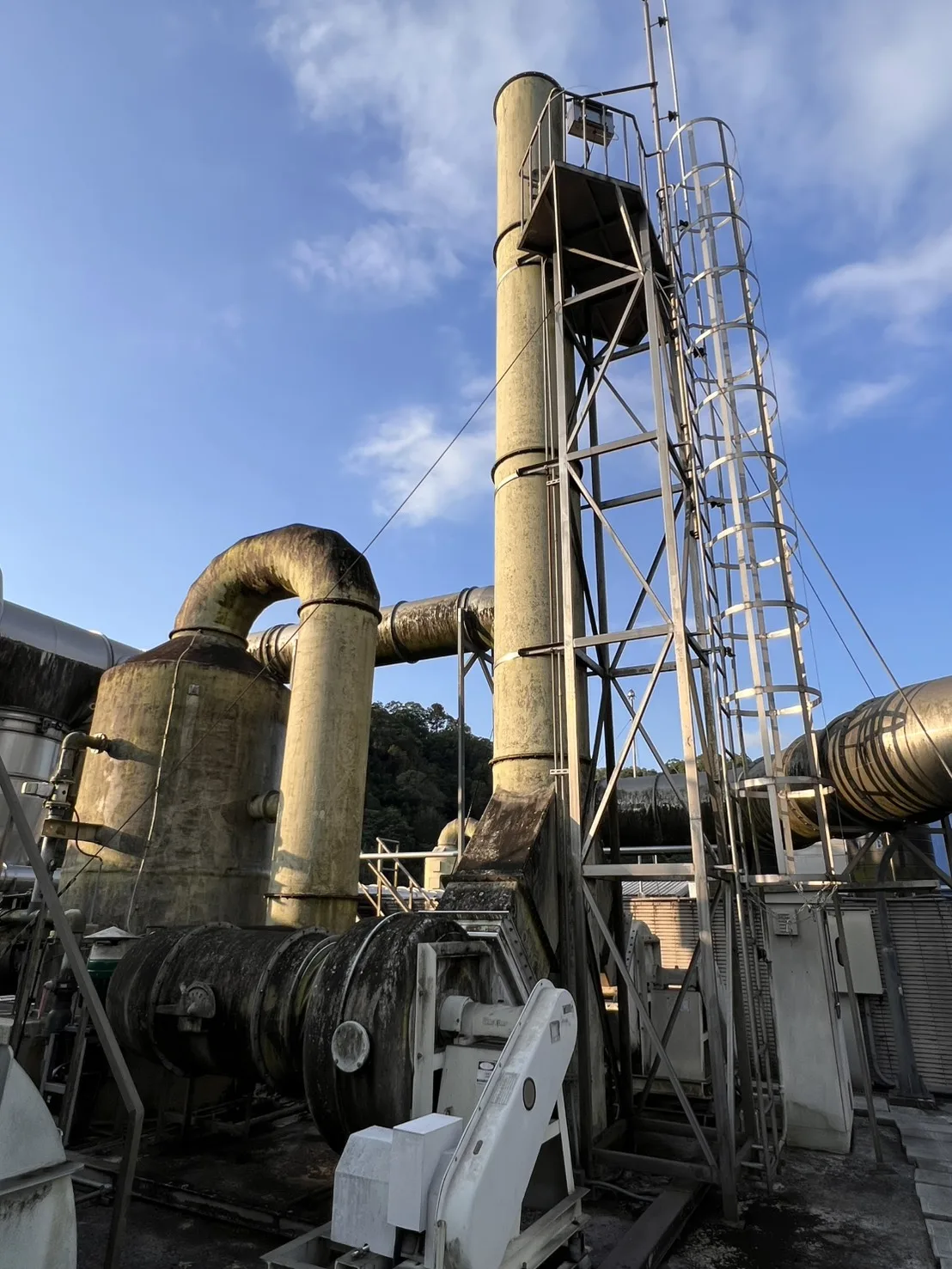
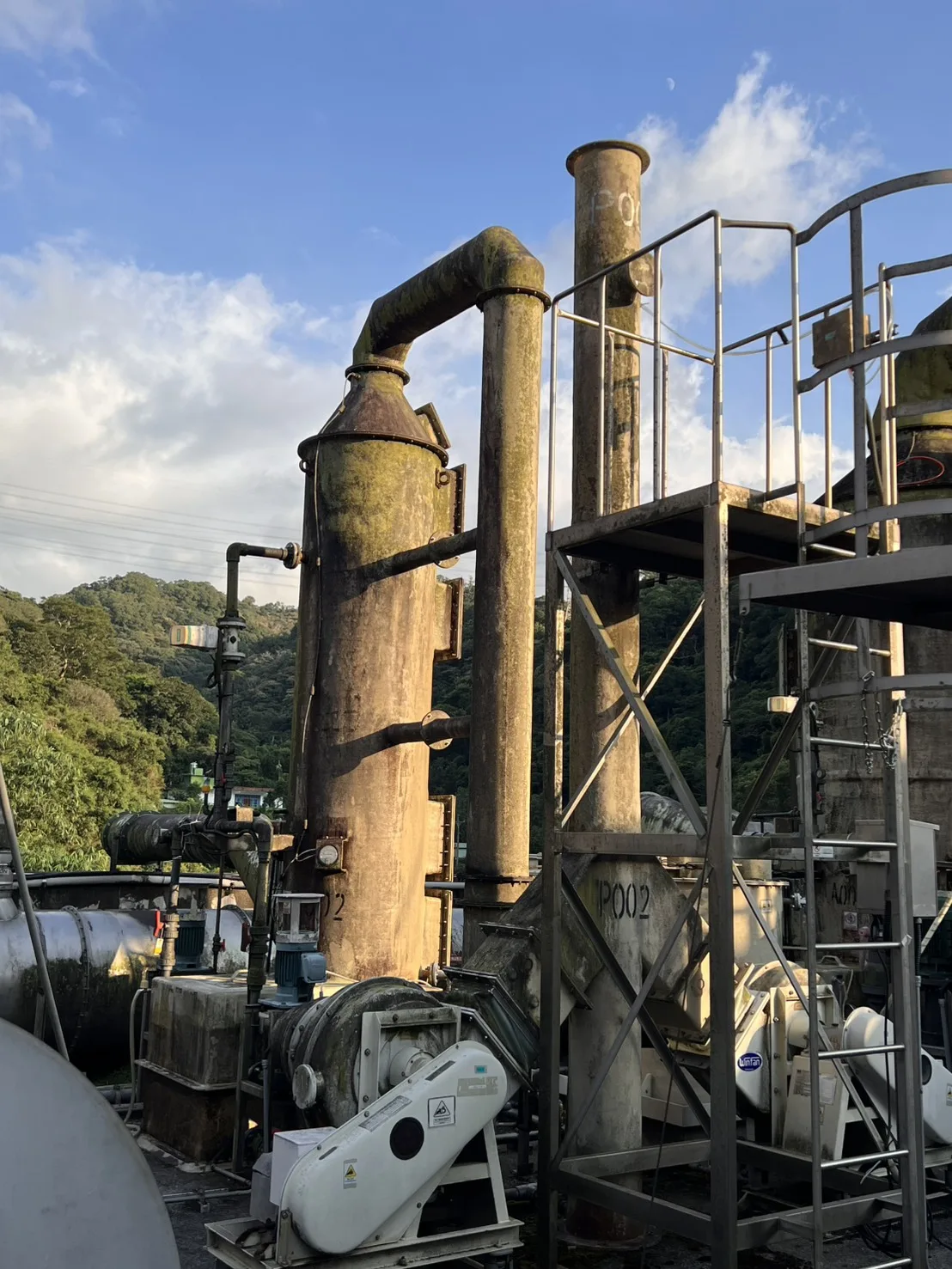
廢棄物管理Waste Management
台星科依產品生命週期之環境思維,對事業廢棄物的分類、收集、貯存、處理等程序進行規範。期望在產能持續提升的同時,透過管理措施,有效管理廢棄物、改善環境衛生,避免廢棄物產出量同比例增加而造成潛在的環境風險。廠內廢棄物100%委託合格廠商妥善清除與處理,並持續進行定期稽核與管理,以確保處理流程之合規性與管理措施之有效性。Based on product lifecycle environmental thinking, WINSTEK regulates the classification, collection, storage, and treatment procedures for industrial waste. As production capacity continues to grow, we aim to effectively manage waste and improve environmental sanitation through management measures, avoiding proportional increases in waste generation that could create potential environmental risks. 100% of on-site waste is properly removed and treated by certified vendors, with ongoing periodic audits and management to ensure process compliance and management effectiveness.
訂定廢棄物回收率目標為≥90%,廢棄物回收種類包含資源廢棄物(紙、塑膠、鐵鋁罐)、有害廢棄物(化學廢液、污泥、空桶)、電子下腳料、燈管、生活垃圾等。We have set a waste recycling rate target of ≥90%. Recycled waste categories include resource waste (paper, plastic, aluminum/steel cans), hazardous waste (chemical waste liquid, sludge, empty containers), electronic scrap, light tubes, and general waste.
2025年廢棄物產出總量為1,577.57公噸,近五年廢棄物總量持續下降,2025年整體回收率達97.8%,較前一年提升2.1%,其中,循環經濟型廢棄物量達150.14公噸,占總廢棄物比重9.52%,較前一年提升2.4%。為提升廢棄物回收率,我們積極與非焚化或固化的處理機構媒合,減輕環境負擔。Total waste generated in 2025 was 1,577.57 metric tons. Total waste volume has continued to decline over the past five years, with an overall 2025 recycling rate of 97.8%, up 2.1% year-over-year. Circular economy waste reached 150.14 metric tons, accounting for 9.52% of total waste, up 2.4% year-over-year. To improve the recycling rate, we actively partner with treatment facilities that avoid incineration or solidification, reducing environmental burden.
| 年度Year | 有害事業廢棄物可回收量(公噸)Recyclable Hazardous Waste (tons) | 一般事業廢棄物可回收量(公噸)Recyclable General Waste (tons) | 有害事業廢棄物不可回收量(公噸)Non-Recyclable Hazardous Waste (tons) | 一般事業廢棄物不可回收量(公噸)Non-Recyclable General Waste (tons) | 年度目標回收率Annual Target Recycling Rate | 年度總回收率Annual Total Recycling Rate |
|---|---|---|---|---|---|---|
| 2021年2021 | 2,459.40 | 169.54 | 212.94 | 101.97 | 80.00% | 89.30% |
| 2022年2022 | 1,886.40 | 185.06 | 206.62 | 92.01 | 80.00% | 87.40% |
| 2023年2023 | 1,841.22 | 367.38 | 68.47 | 39.75 | 80.00% | 95.33% |
| 2024年2024 | 1,681.52 | 441.89 | 47.41 | 46.90 | 90.00% | 95.70% |
| 2025年2025 | 1,078.46 | 464.36 | 18.08 | 16.67 | 90.00% | 97.80% |
節能減碳目標Energy Saving & Carbon Reduction Targets
| 年度Year | 目標Target | 實績Actual |
|---|---|---|
| 2025年2025 | ↓2% | ↓11.15% |
| 2026年2026 | ↓4% | - |
| 2030年2030 | ↓12% | - |
註:溫室氣體排放強度=公噸CO₂e/合併營收(百萬元)(指範疇一及範疇二,基準年為2024年)Note: GHG Emission Intensity = metric tons CO₂e / Consolidated Revenue (NT$ million) (Scope 1 & 2, baseline year 2024)
| 年度Year | 目標Target |
|---|---|
| 2026年2026 | ↓244.631 公噸metric tons CO₂e |
| 2030年2030 | ↓3,914.098 公噸metric tons CO₂e |
註:以芎林廠2026年未採行任何減碳措施之範疇1及範疇2排放量作為基準情境,設定於2026年至2030年間逐步推動減碳措施,並於2030年達成減少 3,914.098公噸CO₂e 之目標。Note: Using the Scope 1 and Scope 2 emissions of the Qionglin Plant in 2026 without any carbon-reduction measures as the baseline scenario, carbon-reduction measures will be progressively implemented from 2026 to 2030, with the goal of reducing emissions by 3,914.098 metric tons CO₂e by 2030.
為響應全球減碳趨勢及政府2050淨零排放政策,台星科積極推動節能與再生能源專案,期望有效控制碳排放量,有鑑於台星科整體碳足跡以外購電力為主,故採取「綠電採購」與「建置太陽能發電設施」雙軌並進的策略,逐步提升再生能源使用比例,減少對外購電力的依賴,強化能源韌性,逐步建構綠能導向的電力結構,並響應政府能源轉型與淨零路徑。In response to global decarbonization trends and the government's 2050 net-zero policy, WINSTEK actively pursues energy-saving and renewable energy projects to effectively control carbon emissions. Given that purchased electricity accounts for the majority of our carbon footprint, we adopt a dual-track strategy of "green electricity procurement" and "solar power installation," progressively increasing our renewable energy usage ratio, reducing dependence on purchased electricity, strengthening energy resilience, and building a green-oriented power structure in step with the government's energy transition and net-zero pathway.
為響應政府推動再生能源政策,台星科秉持企業社會責任,積極管理溫室氣體排放,並持續投入再生能源交易市場,邁向低碳永續之營運模式。2025年再生能源採購量3,101,154度,並規劃於2024至2028年間累計採購21,600,000度;另將於2026年重新檢討及規劃,評估2027至2040年之綠電需求,以持續強化能源轉型與減碳策略。In response to government renewable energy policy, WINSTEK upholds its corporate social responsibility by actively managing GHG emissions and continuously participating in the renewable energy trading market, moving toward a low-carbon, sustainable operating model. In 2025, renewable energy procurement reached 3,101,154 kWh, with a planned cumulative procurement of 21,600,000 kWh between 2024 and 2028. We will also review and re-plan our green electricity needs for 2027-2040 in 2026 to continue strengthening our energy transition and decarbonization strategy.
公司已於 2025 年 6 月建置完成裝置容量 257kW 之自發自用太陽能發電設施,年發電量預估達280 仟度,相當於可供給近810戶住宅每月用電量。為有效掌握發電效益,公司亦同步建置監控系統,可即時顯示發電量、日照強度及歷史累積發電量等資訊,協助管理團隊隨時掌握最新動態。此外,於大廳設置太陽能發電監控看板,即時展示系統運作情形及發電成果,讓員工、訪客及客戶能更了解公司推動綠色能源的具體成效。In June 2025, the company completed a 257kW self-generation, self-consumption solar power installation, with estimated annual output of 280,000 kWh — equivalent to the monthly electricity usage of nearly 810 households. To track generation performance, the company also installed a monitoring system that displays real-time output, solar irradiance and cumulative historical generation, helping the management team stay up to date at all times. In addition, a solar generation display board in the lobby shows system operation and generation results in real time, helping employees, visitors and customers better understand the company's concrete progress in promoting green energy.
註:2025 年每戶住宅平均每月用電量約345 度 (資料來源:台電)Note: Average monthly household electricity usage in 2025 was approximately 345 kWh (Source: Taipower).
每年規劃具體節電改善措施,如更換節能設備、設備節能及製程優化等方式,以逐步降低溫室氣體排放和對環境帶來之衝擊,並強化營運過程中的環境友善作為。2025 年節電目標為年度專案節電率1%,當年度共執行8 項節電措施,節省用電量約1,506,972kWh,實際專案節電率達2.29%;年減碳量約702 公噸CO₂e,相當於約1.84 座大安森林公園一年的二氧化碳吸附量。We plan specific power-saving improvement measures every year, such as replacing equipment with energy-efficient models, equipment energy savings and process optimization, to progressively reduce GHG emissions and environmental impact while strengthening environmentally friendly operations. The 2025 power-saving target was an annual project power-saving rate of 1%; that year, 8 power-saving measures were implemented, saving approximately 1,506,972 kWh and achieving an actual project power-saving rate of 2.29%, with annual carbon reduction of approximately 702 metric tons CO₂e — equivalent to the annual CO₂ absorption of about 1.84 Daan Forest Parks.
| 年度Year | 節電執行項目Power-Saving Measures Implemented | 節電量(kWh)Power Saved (kWh) | 節能(GJ)Energy Saved (GJ) | 減碳量(公噸CO₂e)Carbon Reduction (metric tons CO₂e) |
|---|---|---|---|---|
| 2023年2023 |
| 2,217,897 | 7,984 | 1,096 |
| 2024年2024 |
| 814,656 | 2,933 | 386 |
| 2025年2025 |
| 1,506,972 | 5,425 | 702 |
註:Notes:
- 一座大安森林公園每年的二氧化碳吸附量約為389公噸(資料來源:經濟部能源署)Annual CO₂ absorption of one Daan Forest Park is approximately 389 metric tons (Source: Energy Administration, MOEA)
- 2025年電力排碳係數為0.466 kg CO₂e/度(資料來源:經濟部能源署)2025 electricity emission factor: 0.466 kg CO₂e/kWh (Source: Energy Administration, MOEA)
持續推動員工節能減碳宣導,並落實多項日常節能措施,涵蓋照明、空調、辦公設備及會議空間等面向,打造節能高效的辦公環境。We continuously promote employee energy-saving and carbon reduction awareness, implementing daily energy-saving measures across lighting, air conditioning, office equipment, and meeting spaces to create an energy-efficient office environment.
- 午休時段辦公室各區負責人協助關燈,若有作業需求者,可移至會議室繼續工作Area coordinators turn off lights during lunch break; those needing to continue working may move to meeting rooms
- 下班後辦公區照明由各區負責人協助關閉,以降低非必要用電Area coordinators turn off office lighting after hours to reduce unnecessary power consumption
下班後辦公室各區負責人協助關閉空調,避免持續運轉造成能源浪費Area coordinators turn off air conditioning after hours to avoid energy waste from continuous operation
同仁於下班後關閉電腦電源,僅保留有遠端連線或產線監控需求之設備持續運作Employees power off computers after hours, keeping only equipment required for remote access or production line monitoring running
會議室使用完畢後,隨手關閉照明、空調、電腦、投影設備,落實「使用即開、離開即關」的節能行為Lighting, air conditioning, computers, and projection equipment are turned off after meetings, implementing an "on when used, off when done" practice
以廢棄物資源化為核心策略,依據相容性及屬性進行分類,委由合格清除及處理廠商,將廢棄物進行回收再利用,以達成資源減量及再利用之目標。With waste resource recovery as our core strategy, waste is classified by compatibility and properties and handled by certified removal and treatment vendors for recycling and reuse, achieving our goals of resource reduction and reuse.
氣候變遷Climate Change
隨著聯合國通過《巴黎協定》,氣候變遷成為全球政府與企業高度關注的關鍵議題,台星科審視氣候變遷對於經濟活動、社會穩定及企業營運可能帶來之衝擊,評估產品生命週期中之環境風險,規劃應變策略,期減緩氣候衝擊及其外部成本,提升營運韌性。Following the United Nations' adoption of the Paris Agreement, climate change has become a key focus for governments and businesses worldwide. WINSTEK examines the potential impacts of climate change on economic activity, social stability, and business operations, assesses environmental risks throughout the product lifecycle, and plans response strategies to mitigate climate impacts and their external costs while strengthening operational resilience.
本公司已從風險識別、制度建置到設施調適,逐步強化氣候風險管理機制與因應能力。以下分別說明對氣候變遷風險之管理策略,以及針對極端氣候事件所採行之調適措施。The company has progressively strengthened its climate risk management mechanisms and response capabilities — from risk identification and system development to facility adaptation. Below are our management strategies for climate change risks, along with adaptation measures adopted for extreme weather events.
因應計畫:Response Plan: 掌握組織營運過程中的碳排放與能源使用狀況,作為減碳策略基礎Track carbon emissions and energy use across operations as the foundation for decarbonization strategy
具體行動:Specific Actions: 持續進行溫室氣體盤查,盤查達成率100%Continuous GHG inventory with 100% completion rate
因應計畫:Response Plan: 建立營運持續管理制度與災害應變機制,強化營運韌性Establish business continuity management systems and disaster response mechanisms to strengthen operational resilience
具體行動:Specific Actions: 訂定營運持續及緊急應變處理程序,符合極端氣候設計Establish business continuity and emergency response procedures designed for extreme weather conditions
因應計畫:Response Plan: 透過合作與監管強化供應鏈環境韌性,降低整體營運衝擊Strengthen supply chain environmental resilience through collaboration and oversight, reducing overall operational impact
具體行動:Specific Actions: 對供應商定期稽核評分,作為合作指標與改善依據Conduct regular supplier audits and scoring as a basis for partnership metrics and improvement
建立缺電應變措施,配置緊急發電機,於限電或突發停電時自動啟動,確保核心產線與安全設備持續運作Established power shortage response measures with emergency generators that automatically activate during power rationing or unexpected outages, ensuring continued operation of core production lines and safety equipment
提高製程用水回收率,規劃導入節水設備,降低對外部水源依賴,提升用水韌性Increase process water recovery rate and plan to introduce water-saving equipment to reduce dependence on external water sources and enhance water resilience
強化環保設施耐風設計,針對廢水處理系統與空氣污染防制設備提升結構安全標準,以降低強風造成設施損壞與污染外洩風險Strengthen wind resistance design for environmental facilities, upgrading structural safety standards for wastewater treatment and air pollution control equipment to reduce the risk of facility damage and pollution leakage from strong winds
環境管理制度Environmental Management System
為守護自然環境與健康的生活品質,台星科持續強化污染預防與風險控管,並落實以下環境治理作為:To protect the natural environment and quality of life, WINSTEK continuously strengthens pollution prevention and risk control, implementing the following environmental governance practices:
建立符合ISO 14001:2015國際標準之環境管理系統,設置專責單位統籌各項環境維護工作Established an environmental management system compliant with ISO 14001:2015, with a dedicated unit overseeing all environmental maintenance work
持續進行產品生命週期環境影響評估,針對各階段可能產生之污染進行改善與預防Continuously conduct product lifecycle environmental impact assessments, improving and preventing potential pollution at each stage
推動內外部溝通與教育訓練,提升全員環境意識,透過稽核與管理審查強化系統運作效能Promote internal and external communication and training to raise environmental awareness, strengthening system effectiveness through audits and management reviews
訂定明確環境目標並定期檢視,展現企業改善績效,實踐資源保護與減碳責任Set clear environmental targets with regular review, demonstrating improved performance and fulfilling our resource protection and decarbonization responsibilities
| No. | 重點工作Key Initiative | 執行成果Results |
|---|---|---|
| 1 | 廢棄物循環經濟(污泥及EMC資源化再利用)Waste circular economy (sludge & EMC resource recycling) | 減碳效益:45.4公噸/年Carbon reduction: 45.4 metric tons/year |
| 2 | 提升VOCs防制效率(活性碳吸附設備汰換直燃式焚化爐(TO))Improved VOC control efficiency (replaced activated carbon adsorption with thermal oxidizer TO) | VOCs去除率:70% 提升至 97.7%VOC removal rate: increased from 70% to 97.7% |
| 3 | 建置太陽能發電設施Solar power installation | 節電效益:280,000度/年 減碳效益:130.5公噸/年Power savings: 280,000 kWh/year Carbon reduction: 130.5 metric tons/year |
環保支出與投資Environmental Expenditure & Investment
台星科秉持環境永續理念,積極推動減廢、節能與資源循環等措施,致力於降低原生資源使用量,強化綠色循環經濟的實踐。隨著環保意識高漲與法規標準日趨嚴格,台星科持續強化環境管理作為,確保廢水處理、空氣污染防制及廢棄物清運作業均符合國內排放標準與法規規範。公司每年編列環保預算,主要用於改善及提升污水處理、空氣污染防制及廢棄物處理及相關監測管理,以提升整體環境績效。自2000年成立以來,已投入數億元購置污染防治設備及汰換老舊設備,並導入節能效果佳之設備,展現公司對污染防治與節能減碳的長期承諾,以及對環境管理的高度重視與持續投入。Upholding environmental sustainability principles, WINSTEK actively promotes waste reduction, energy conservation, and resource recycling to reduce the use of virgin resources and strengthen green circular economy practices. As environmental awareness rises and regulatory standards tighten, WINSTEK continues to strengthen its environmental management, ensuring wastewater treatment, air pollution control, and waste disposal all comply with domestic emission standards and regulations. The company allocates an annual environmental budget primarily for improving and upgrading wastewater treatment, air pollution control, waste treatment, and related monitoring management to enhance overall environmental performance. Since our founding in 2000, we have invested hundreds of millions of NT dollars in pollution control equipment, equipment replacement, and energy-efficient upgrades, demonstrating our long-term commitment to pollution prevention, energy conservation, and carbon reduction, and our sustained emphasis on environmental management.
| 每年預估環保支出(單位:仟元)Estimated Annual Environmental Expenditure (NT$ thousand) | 2025年度2025 | 2026年度2026 | 2027年度2027 | 2028年度2028 |
|---|---|---|---|---|
| 廢水處理費用Wastewater Treatment Costs | 3,838 | 7,342 | 13,298 | 13,298 |
| 擴充廢水處理設施Wastewater Facility Expansion | 20,000 | 36,459 | 52,919 | 0 |
| 水污染檢測費用Water Pollution Testing Costs | 500 | 620 | 600 | 600 |
| 水污染防治費用Water Pollution Control Costs | 400 | 150 | 200 | 200 |
| 廢氣處理費用Exhaust Gas Treatment Costs | 21,800 | 22,798 | 23,182 | 23,182 |
| 擴充空氣污染處理設施Air Pollution Facility Expansion | 6,000 | 12,000 | 3,000 | 0 |
| 空氣污染檢測費用Air Pollution Testing Costs | 450 | 270 | 360 | 360 |
| 空氣污染防制費用Air Pollution Control Costs | 800 | 685 | 685 | 685 |
| 事業廢棄物清除處理費用Industrial Waste Removal & Treatment Costs | 20,000 | 20,000 | 20,000 | 20,000 |
| 環境監測檢驗費Environmental Monitoring & Testing Fees | 160 | 160 | 160 | 160 |
| 支出金額合計Total Expenditure | 73,948 | 100,484 | 114,404 | 58,485 |